
26-June-2025 | Mental Health
Long COVID remains one of the most clinically controversial post-viral conditions even after the acute phase of COVID-19. At first a wide range of unexplainable symptoms, this is now slowly being investigated in measurable ways in biology and recent research has been driven by the mechanisms of immune dysfunction, endothelial injury, viral persistence and coagulation abnormalities.
The conversation on Long COVID is shifting from symptoms to mechanisms in 2025. The goal of finding specific biomarkers that could help to stratify patients, to predict severity and to direct further therapy targeting is being increasingly tried.
One of the major challenges in Long COVID management has been the variability of presentation. Patients continue to report fatigue, cognitive dysfunction (“brain fog”), dyspnea, palpitations, dysautonomia, and exercise intolerance months after infection.
However, recent publications suggest that Long COVID may not represent a single condition. Instead, investigators are exploring the possibility that multiple overlapping biological pathways are contributing to persistent symptoms.
A large review published in Nature Reviews Microbiology highlighted several recurring mechanisms associated with Long COVID, including:
This shift is clinically relevant because it may eventually move Long COVID away from being considered a diagnosis of exclusion toward a condition with measurable biological signatures.
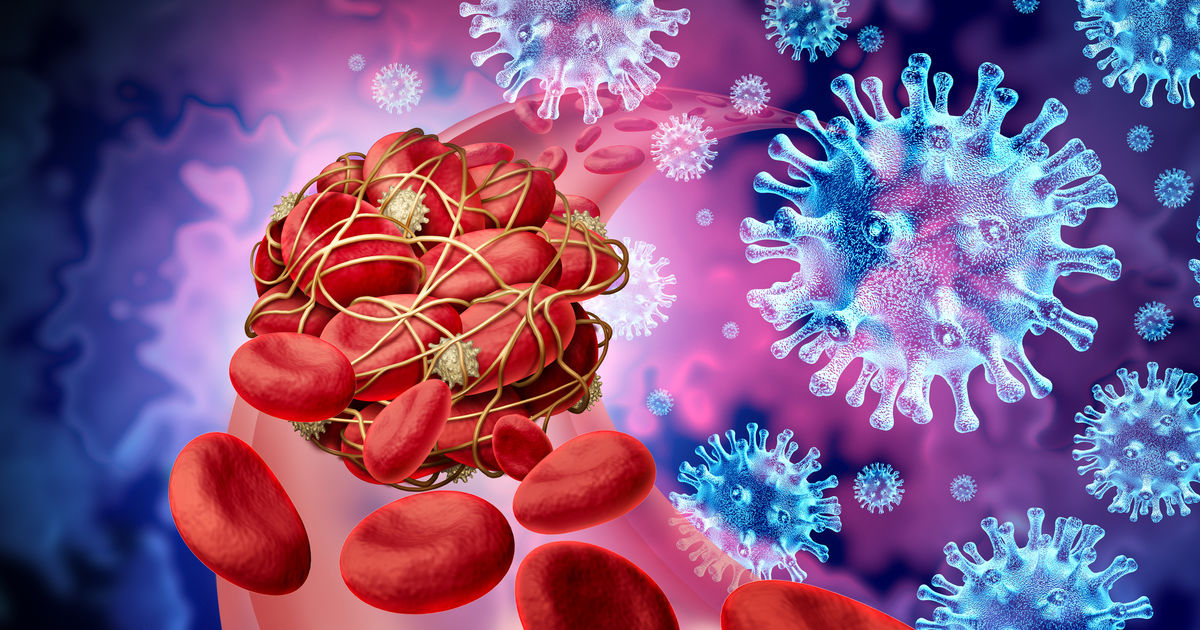
Among the more widely discussed theories is the “microclot hypothesis.” Research groups from South Africa, the UK, and the US have reported evidence of fibrin amyloid microclots and platelet hyperactivation in subsets of Long COVID patients.
These microclots are believed to potentially impair oxygen exchange at the microvascular level, which may partially explain symptoms such as severe fatigue, exercise intolerance, and cognitive slowing.
Although the hypothesis remains under active investigation and has not yet translated into standardized clinical treatment protocols, it has significantly shifted research attention toward vascular and coagulation pathways.
A 2024 analysis published in Nature Medicine also discussed persistent endothelial dysfunction and inflammatory signaling in Long COVID cohorts, further strengthening interest in vascular pathology. (nature.com)
At present, most experts agree that the evidence remains promising but not definitive, particularly because reproducibility across studies continues to vary.
Another major area of investigation involves chronic immune activation following acute SARS-CoV-2 infection.
Recent immunological studies have identified:
in subsets of Long COVID patients.
Researchers are also examining whether viral remnants persisting in tissues may contribute to ongoing immune stimulation months after initial infection.
A study discussed in Cell suggested that immune dysregulation may differ substantially between patients, which could explain why treatment responses remain inconsistent across clinical settings. (cell.com)
This has led to increasing discussion around phenotype-based classification systems rather than treating Long COVID as a single uniform syndrome.
Both the World Health Organization and Centers for Disease Control and Prevention continue to refine clinical guidance surrounding Long COVID.
More recent frameworks place greater emphasis on:
One of the more important clinical observations in recent years has been the overlap between Long COVID and conditions such as myalgic encephalomyelitis/chronic fatigue syndrome (ME/CFS), particularly in patients experiencing post-exertional worsening.
This overlap is influencing rehabilitation strategies, especially regarding graded exercise protocols, which remain controversial in certain patient populations.
Despite significant progress, several uncertainties remain unresolved:
Large-scale longitudinal studies are currently underway in multiple countries, and researchers expect that future classification systems may divide Long COVID into biologically distinct subtypes rather than one broad diagnosis.
There is a lot of new research coming out about Long COVID. At the beginning it was a poorly-defined post-viral syndrome, but now it is being studied more by well-defined immunological, vascular and inflammatory mechanisms.
Although there are no definitive biomarkers or targeted therapies, there is a growing number of studies that are beginning to shift the world towards the creation of mechanism-based classification models that could eventually be used to better help identify and treat patients. Clinicians have the most exciting news in 2025:
Long COVID is continuing to exist, but underlying biological pathways are starting to show up.


Subscribe to out newsletter today to receive latest news administrate cost effective for tactical data.Subscribe to out newsletter today to receive latest news administrate cost effective for tactical data.
Faith Driven Healing Clinically Delivered.
Copyright © 2026 Sanova. All rights reserved Terms & Conditions Refund Policy